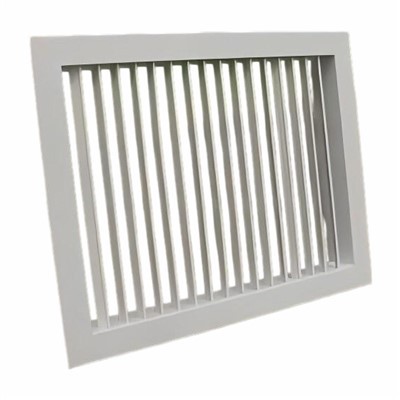

Troubleshooting common problems with a Manual Parallel Blade Damper is an essential skill for anyone involved in the ventilation and air - duct systems. As a supplier of Manual Parallel Blade Dampers, I've encountered a wide range of issues over the years. In this blog, I'll share some practical tips on how to diagnose and solve these common problems.
1. Damper Not Opening or Closing Properly
One of the most frequent problems with Manual Parallel Blade Dampers is the difficulty in opening or closing. This can be caused by several factors.
Mechanical Obstructions
The first thing to check is for any mechanical obstructions. Over time, dust, debris, or even small objects can get lodged in the damper blades or the frame. For example, in an industrial setting, fine particles from manufacturing processes can accumulate and prevent the blades from moving freely.
To solve this issue, start by visually inspecting the damper. Remove any visible debris using a soft brush or compressed air. If the obstruction is more stubborn, you may need to disassemble the damper carefully. Make sure to follow the manufacturer's instructions when disassembling. After cleaning, lubricate the moving parts with a suitable lubricant. This will reduce friction and allow the blades to move smoothly.
Misaligned Blades
Blades can become misaligned due to improper installation or vibration over time. Misaligned blades can prevent the damper from opening or closing fully. To check for misalignment, visually inspect the blades when the damper is in the open and closed positions. If the blades are not parallel or are touching unevenly, they are likely misaligned.
To realign the blades, you may need to adjust the linkage or the blade supports. This requires some technical knowledge, so it's advisable to refer to the damper's installation manual. In some cases, you may need to use specialized tools to make the adjustments accurately.


2. Leakage Issues
Another common problem is air leakage through the damper. This can lead to energy inefficiency and poor ventilation performance.
Sealant Deterioration
The seals around the damper blades and the frame are crucial for preventing air leakage. Over time, these seals can deteriorate due to exposure to air, moisture, and temperature changes. To check for sealant deterioration, look for signs of cracking, peeling, or dryness.
If the sealant is damaged, it needs to be replaced. Choose a high - quality sealant that is suitable for the operating conditions of the damper. Apply the sealant carefully, following the manufacturer's instructions. Make sure to cover all the areas where air could potentially leak.
Blade Gaps
Even if the seals are in good condition, large gaps between the blades can cause air leakage. These gaps can occur due to wear and tear or improper adjustment. To measure the blade gaps, use a feeler gauge. If the gaps are larger than the recommended specifications, you may need to adjust the blade position or replace the blades if they are damaged.
3. Difficult Operation of the Manual Control
The manual control mechanism of the damper can sometimes be difficult to operate. This can be frustrating for users and may indicate an underlying problem.
Rust or Corrosion
In environments with high humidity or exposure to chemicals, the manual control components can rust or corrode. Rust can cause the control lever to stick or become difficult to turn. To address this issue, start by removing the rust using a wire brush or a rust - removing solution. After cleaning, apply a rust - preventive coating to the control components.
Loose or Worn - Out Linkages
The linkages that connect the manual control to the damper blades can become loose or worn out over time. This can result in a loss of control or a jerky operation. To check for loose linkages, try moving the control lever and observe the movement of the blades. If there is a delay or an inconsistent movement, the linkages may need to be tightened or replaced.
4. Noise Issues
Excessive noise from the damper can be a sign of a problem. It can also be a nuisance in a building environment.
Vibration
Vibration is a common cause of noise in dampers. This can be due to unbalanced blades, improper installation, or air flow turbulence. To reduce vibration, check the balance of the blades. If they are unbalanced, you may need to adjust the weights or replace the blades. Also, make sure the damper is properly installed and secured to the ductwork.
Air Flow Turbulence
Air flow turbulence can occur when the damper is not adjusted correctly or when there are obstructions in the ductwork. To reduce air flow turbulence, ensure that the damper is set to the appropriate position for the required air flow. You may also need to clean the ductwork to remove any obstructions.
5. Compatibility with Other Duct Components
Manual Parallel Blade Dampers need to be compatible with other components in the air - duct system, such as Double Deflection Supply Air Grille and Adjustable Air Diffuser. Incompatibility can lead to problems such as poor air distribution or increased pressure drop.
Size and Connection Issues
Make sure that the damper is the correct size for the ductwork and that it can be properly connected to other components. Incorrect sizing can cause air flow restrictions or leakage. When connecting the damper to other components, use the appropriate gaskets and fasteners to ensure a tight and secure connection.
Air Flow Characteristics
The air flow characteristics of the damper should be compatible with the overall air - duct system. For example, if the damper has a high pressure drop, it may affect the performance of other components in the system. To ensure compatibility, consult the technical specifications of all the components in the system and make sure they are designed to work together.
Conclusion
Troubleshooting common problems with a Manual Parallel Blade Damper requires a systematic approach. By checking for mechanical obstructions, misaligned blades, leakage issues, difficult operation of the manual control, noise problems, and compatibility with other duct components, you can identify and solve most issues.
If you are facing persistent problems with your Manual Parallel Blade Damper or if you are in the market for a new one, I encourage you to reach out for a procurement discussion. Our team of experts can provide you with the best solutions and ensure that you get a high - quality Manual Parallel Blade Damper that meets your specific needs.
References
- HVAC System Design Manual
- Manufacturer's Manuals for Manual Parallel Blade Dampers
- Industry Standards for Air - Duct Components