


Hey there! As a supplier of Laboratory Air Conditioning Units, I'm stoked to share with you the various control options available for these units. In a lab setting, precise temperature and humidity control are super crucial. Whether it's for storing sensitive samples, conducting experiments, or maintaining a comfortable working environment, the right control options can make all the difference.
Let's start with the basic manual controls. You know, the old - school way of adjusting the settings on the air conditioning unit. With manual controls, you can directly set the temperature, fan speed, and sometimes even the humidity level. It's simple and straightforward. You just turn a dial or press a button to get the settings you want. But the downside is that it requires constant monitoring. If the external conditions change, like the weather outside gets hotter or colder, you have to manually adjust the settings again.
Now, let's talk about programmable controls. These are a game - changer. With programmable controls, you can set a schedule for your lab air conditioning unit. For example, you can set it to turn on an hour before you arrive at the lab in the morning, so the temperature is just right when you start working. You can also program it to lower the temperature during the night when the lab is not in use, which can save a ton of energy. It's like having a personal assistant for your air conditioning unit!
Another great option is the remote control. This is super convenient, especially if you're in another part of the lab. You can adjust the settings of the air conditioning unit from your desk or even from outside the lab. It's like having the power to control the climate at your fingertips. You don't have to walk all the way to the unit every time you want to make a change.
Then there are smart controls. These are the latest and greatest in air conditioning technology. Smart controls allow you to connect your lab air conditioning unit to your smartphone or other smart devices. You can monitor and control the unit from anywhere in the world. For example, if you're on vacation and realize you forgot to turn down the temperature in the lab, you can just open the app on your phone and make the adjustment. It also provides real - time data on the temperature, humidity, and energy consumption of the unit. You can analyze this data to optimize the performance of the unit and save energy.
Now, let's take a look at some of the specific types of air conditioning units and their control options.
The All in One Heat and Air Unit is a great option for smaller labs. It combines heating and cooling in one unit, which makes it more compact and efficient. The control options for this unit are usually quite user - friendly. You can use the manual controls to set the temperature and fan speed, or you can connect it to a smart home system for remote control.
The Environmental Control Unit HVAC is designed for larger labs that require more precise environmental control. This unit can control not only the temperature and humidity but also the air quality. It has advanced sensors that can detect changes in the environment and adjust the settings automatically. The control options for this unit are more sophisticated. You can use a touch - screen interface to set up complex schedules and monitor the performance of the unit.
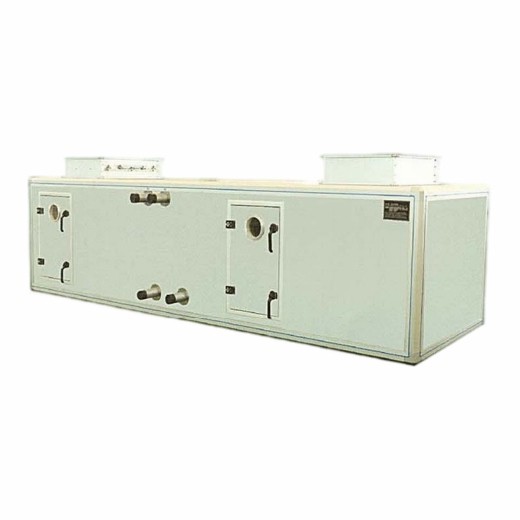
The Dedicated Outside Air Unit is used to bring in fresh outside air and condition it before it enters the lab. This unit is important for maintaining a healthy and comfortable working environment. The control options for this unit allow you to adjust the amount of outside air that is brought in, as well as the temperature and humidity of the incoming air.

When choosing the control options for your lab air conditioning unit, there are a few things to consider. First, think about the size of your lab. A smaller lab may not need the advanced features of a large - scale environmental control unit. Second, consider your budget. Programmable and smart controls may cost more upfront, but they can save you money in the long run by reducing energy consumption. Third, think about your level of technical expertise. If you're not very tech - savvy, you may want to stick with the more basic manual controls.
In conclusion, there are a variety of control options available for laboratory air conditioning units. Whether you choose manual, programmable, remote, or smart controls, each option has its own advantages. By understanding your specific needs and considering the factors mentioned above, you can choose the control option that's right for your lab.
If you're interested in learning more about our Laboratory Air Conditioning Units and the control options available, we'd love to have a chat with you. Reach out to us to start a discussion about your requirements, and let's find the perfect solution for your lab.
References
- HVAC Systems Handbook
- Laboratory Environmental Control Guidelines




