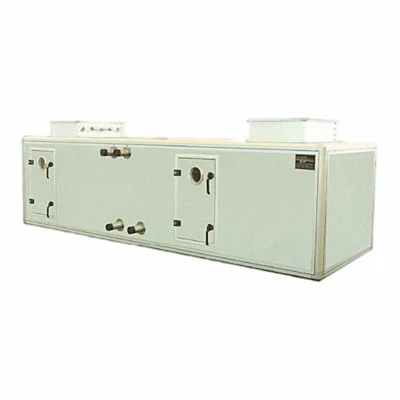

As a supplier of Water Cooled Screw Type Chillers, I understand the critical importance of fire safety when it comes to these industrial cooling systems. In this blog, I will delve into the fire safety measures that should be in place for a water cooled screw type chiller to ensure the safety of your facility and personnel.
Understanding the Fire Risks Associated with Water Cooled Screw Type Chillers
Before we discuss the fire safety measures, it's essential to understand the potential fire risks associated with water cooled screw type chillers. These chillers typically consist of a compressor, condenser, evaporator, and other components that operate under high pressure and temperature. Electrical components, refrigerants, and lubricants used in the chiller can all pose fire hazards if not properly managed.
Electrical systems in the chiller can generate heat and sparks, which can ignite flammable materials if there are any leaks or malfunctions. Refrigerants, such as R-22 and R-410A, are flammable under certain conditions, and a refrigerant leak can create a fire or explosion risk. Lubricants used in the compressor can also catch fire if they come into contact with hot surfaces or open flames.
Fire Safety Measures for Water Cooled Screw Type Chillers
1. Installation and Location
- Proper Ventilation: Ensure that the chiller is installed in a well-ventilated area. Adequate ventilation helps to dissipate heat and prevent the accumulation of flammable gases. The ventilation system should be designed to remove any potential refrigerant leaks and maintain a safe environment.
- Distance from Flammable Materials: Keep the chiller away from flammable materials, such as combustible storage areas, fuel tanks, and other heat sources. A minimum clearance of several feet should be maintained to prevent the spread of fire in case of an incident.
- Installation on a Fire-Resistant Surface: Install the chiller on a fire-resistant surface, such as a concrete pad. This helps to prevent the spread of fire from the chiller to the surrounding area.
2. Electrical Safety
- Regular Inspections: Conduct regular electrical inspections of the chiller to check for any signs of wear, damage, or loose connections. Faulty electrical components can lead to short circuits and electrical fires.
- Use of Proper Wiring and Circuit Breakers: Ensure that the chiller is wired with the appropriate gauge of wire and that the circuit breakers are properly sized to protect against overloading. This helps to prevent electrical fires caused by overheating.
- Grounding: Properly ground the chiller to prevent electrical shocks and reduce the risk of fire. A good grounding system helps to dissipate electrical energy safely.
3. Refrigerant Management
- Leak Detection: Install a refrigerant leak detection system to monitor for any leaks in the chiller. Early detection of refrigerant leaks can prevent the accumulation of flammable gases and reduce the risk of fire or explosion.
- Proper Handling and Storage: Follow proper procedures for handling and storing refrigerants. Refrigerants should be stored in a well-ventilated area away from heat sources and open flames.
- Regular Maintenance: Conduct regular maintenance of the chiller to ensure that the refrigerant system is operating properly. This includes checking for leaks, maintaining proper refrigerant levels, and replacing any worn or damaged components.
4. Lubrication and Maintenance
- Proper Lubrication: Ensure that the compressor and other moving parts of the chiller are properly lubricated. Adequate lubrication helps to reduce friction and heat, which can prevent the ignition of lubricants.
- Regular Maintenance Schedule: Establish a regular maintenance schedule for the chiller. This includes cleaning the condenser and evaporator coils, checking the refrigerant levels, and inspecting the electrical and mechanical components. Regular maintenance helps to identify and address any potential fire hazards before they become a problem.
5. Fire Suppression Systems
- Installation of Fire Extinguishers: Install fire extinguishers in the vicinity of the chiller. The type of fire extinguisher should be appropriate for the potential fire hazards associated with the chiller, such as Class B (flammable liquids) and Class C (electrical fires).
- Automatic Fire Suppression Systems: Consider installing an automatic fire suppression system, such as a sprinkler system or a gaseous fire suppression system. These systems can quickly detect and extinguish a fire, reducing the damage and risk to personnel.
Importance of Training and Education
In addition to implementing the above fire safety measures, it's crucial to provide training and education to the personnel who operate and maintain the water cooled screw type chiller. Training should cover topics such as fire safety procedures, refrigerant handling, electrical safety, and the proper use of fire extinguishers.
By ensuring that your employees are well-trained and knowledgeable about fire safety, you can reduce the risk of fire incidents and improve the overall safety of your facility.


Conclusion
Fire safety is of utmost importance when it comes to water cooled screw type chillers. By implementing the fire safety measures discussed in this blog, you can minimize the risk of fire and ensure the safe operation of your chiller.
If you are in the market for a Water Cooled Screw Type Chiller, we are here to help. Our company offers high-quality water cooled screw type chillers that are designed with fire safety in mind. We also provide comprehensive after-sales support and maintenance services to ensure the long-term performance and safety of your chiller.
If you have any questions or would like to discuss your specific requirements, please feel free to contact us. We look forward to working with you to meet your cooling needs and ensure the safety of your facility.
References
- National Fire Protection Association (NFPA) standards related to industrial refrigeration and fire safety.
- Manufacturer's guidelines and specifications for water cooled screw type chillers.