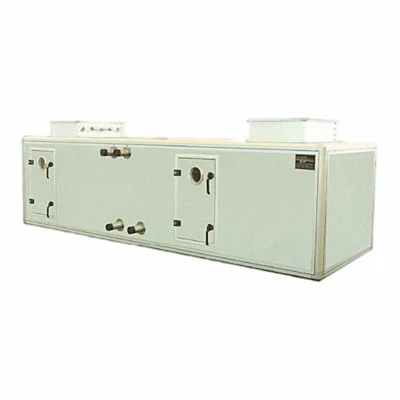

As a supplier of filter units, I often get asked about the energy consumption of these essential devices. Understanding the energy consumption of a filter unit is crucial for businesses and industries looking to optimize their operations, reduce costs, and minimize their environmental impact. In this blog post, I'll delve into the factors that influence the energy consumption of filter units, provide some real - world examples, and discuss how you can make more energy - efficient choices.
Factors Affecting Energy Consumption
1. Filtration Technology
Different filtration technologies have varying energy requirements. For instance, a Dust Filtration Unit that uses a simple mechanical filtration method may consume less energy compared to a unit that employs advanced electrostatic or chemical filtration processes. Mechanical filters rely on physical barriers to trap particles, and the energy is mainly used to drive the airflow through the filter media. On the other hand, electrostatic filters use an electric charge to attract and capture particles, which requires additional electrical energy to maintain the charge.
2. Airflow Rate
The rate at which air passes through the filter unit is a significant factor in energy consumption. Higher airflow rates generally mean more energy is needed to move the air. A large industrial filter unit with a high - volume airflow requirement will consume more energy than a smaller unit with a lower airflow rate. For example, in a manufacturing plant where large amounts of air need to be filtered continuously to maintain a clean working environment, the filter unit will have to operate at a high airflow rate, resulting in increased energy consumption.
3. Filter Media Resistance
The resistance of the filter media to the airflow also affects energy consumption. As the filter media accumulates dust and debris over time, its resistance increases. This means that the fan or blower in the filter unit has to work harder to push the air through the filter, leading to higher energy usage. Regular maintenance, such as cleaning or replacing the filter media, can help keep the resistance low and reduce energy consumption.
4. System Design
The overall design of the filter unit and its associated ductwork can impact energy consumption. A well - designed system with smooth ductwork and proper airflow distribution will require less energy to operate compared to a poorly designed system with sharp bends, restrictions, or inefficient fan placement. For example, if the ductwork has a lot of elbows and turns, it can create turbulence and increase the energy needed to move the air.
Real - World Examples
Let's consider a small office building that uses a Self - Operated Dust Filter Unit. This unit is designed to operate independently and filter the air in the office space. The energy consumption of this unit is relatively low because it has a small airflow rate and uses a simple mechanical filtration technology. The unit might consume around 50 - 100 watts of power, depending on its size and the specific model.
In contrast, a large industrial facility that processes chemicals and requires a high - performance Self - Cleaning Desert Sand Filtration System will have a much higher energy consumption. This system needs to handle a large volume of air with a high concentration of sand and other particles. The self - cleaning feature also adds to the energy requirements as it involves additional mechanisms to remove the accumulated dust. Such a system could consume several kilowatts of power, especially if it operates continuously.
Measuring and Monitoring Energy Consumption
To manage and reduce the energy consumption of filter units, it's important to measure and monitor their energy usage. Most modern filter units come with built - in energy meters or can be connected to external monitoring devices. By regularly monitoring the energy consumption, you can identify any abnormal spikes or trends and take appropriate action.
For example, if you notice that the energy consumption of a filter unit has suddenly increased, it could be a sign that the filter media needs to be cleaned or replaced. You can also compare the energy consumption of different filter units over time to evaluate their efficiency and make informed decisions when it comes to upgrading or replacing equipment.
Strategies for Reducing Energy Consumption
1. Select the Right Filter Unit
When choosing a filter unit, consider your specific requirements and select a unit that is energy - efficient for your application. Look for units with high - efficiency motors and low - resistance filter media. You can also consult with a filter unit expert to determine the most suitable unit for your needs.
2. Optimize Airflow
Properly design and maintain the ductwork to ensure smooth airflow. Minimize the number of bends and restrictions in the ductwork, and make sure the fan or blower is sized correctly for the system. By optimizing the airflow, you can reduce the energy needed to move the air through the filter unit.
3. Regular Maintenance
As mentioned earlier, regular maintenance of the filter unit is essential for reducing energy consumption. Clean or replace the filter media at the recommended intervals to keep the resistance low. Also, check and lubricate the moving parts of the unit to ensure smooth operation.
4. Use Variable - Speed Drives
Installing variable - speed drives on the fan or blower of the filter unit can significantly reduce energy consumption. These drives allow the fan to operate at different speeds depending on the actual airflow requirements. For example, during periods of low demand, the fan can run at a lower speed, consuming less energy.
Conclusion
The energy consumption of a filter unit is influenced by several factors, including filtration technology, airflow rate, filter media resistance, and system design. By understanding these factors and implementing energy - efficient strategies, businesses and industries can reduce their energy costs and minimize their environmental impact.


If you're in the market for a filter unit or looking to optimize the energy consumption of your existing system, I encourage you to reach out to discuss your specific needs. Our team of experts can provide you with detailed information about our filter units and help you make the best choice for your application. Whether you need a small dust filtration unit for an office or a large - scale industrial filtration system, we have the solutions to meet your requirements. Contact us today to start the procurement and negotiation process, and let's work together to achieve a more energy - efficient and sustainable future.
References
- Smith, J. (2020). Energy - efficient filtration systems. Journal of Industrial Filtration, 15(2), 78 - 85.
- Johnson, M. (2021). Impact of filter media on energy consumption in air filtration units. Proceedings of the International Filtration Conference, 45 - 52.
- Brown, A. (2019). Optimizing airflow in filter systems for energy savings. Industrial Engineering Journal, 22(3), 123 - 130.