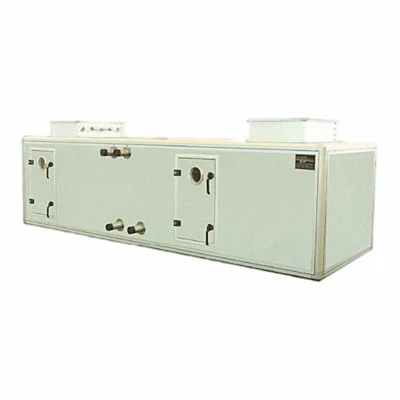

Hey there! As a supplier of fire resistant smoke dampers, I've seen firsthand how these essential components interact with other fire - safety equipment. In this blog, I'll break down the relationships and explain why it all matters.


Let's start by understanding what fire resistant smoke dampers are. These are devices installed in ventilation systems. Their main job is to prevent the spread of fire and smoke through the ductwork. When a fire breaks out, they close automatically, acting as a barrier.
One of the key pieces of equipment that fire resistant smoke dampers work closely with is the Metal Composite Air Duct. Metal composite air ducts are widely used in HVAC systems because of their durability and cost - effectiveness. Fire resistant smoke dampers are installed within these ducts. When a fire occurs, the damper closes, and the metal composite duct helps contain the fire and smoke within a specific area. The duct's structure provides support for the damper, and the damper in turn protects the duct from the intense heat of the fire.
Another important partner is the Stainless Steel HVAC Duct. Stainless steel ducts are known for their high - temperature resistance and corrosion resistance. Fire resistant smoke dampers are often paired with these ducts in commercial and industrial buildings. The stainless steel duct can withstand the heat for a longer time, giving the damper more time to do its job. The damper, on the other hand, stops the fire and smoke from traveling through the duct, preventing the spread of the fire to other parts of the building.
Now, let's talk about the Smoke Exhaust Fire Damper. This is a special type of damper that works in tandem with the fire resistant smoke damper. The smoke exhaust fire damper is designed to open during a fire to allow smoke to be exhausted from the building. While the fire resistant smoke damper closes to prevent the spread of fire and smoke, the smoke exhaust fire damper opens to clear the smoke. They work together to create a safe environment. When the fire starts, the fire resistant smoke damper shuts down the normal ventilation system, and the smoke exhaust fire damper activates the smoke - removal system.
Sprinkler systems are also a crucial part of the fire - safety ecosystem. Fire resistant smoke dampers and sprinkler systems interact in an important way. When the sprinkler system is activated, it releases water to suppress the fire. The fire resistant smoke damper helps to contain the steam and water vapor produced by the sprinklers. This prevents the steam from spreading through the ductwork and causing damage to other parts of the building. At the same time, the damper stops the fire and smoke from interfering with the operation of the sprinkler system.
Fire alarms are another essential component. When a fire alarm goes off, it signals the fire resistant smoke damper to close. The damper's quick response is crucial in preventing the rapid spread of fire and smoke. The alarm system is like the trigger, and the damper is the action. They work hand - in - hand to protect the building and its occupants.
Emergency lighting is also related to the function of fire resistant smoke dampers. In a fire situation, the dampers close to contain the fire and smoke. This can sometimes lead to a loss of power in certain areas. Emergency lighting kicks in to provide visibility for people to evacuate safely. The fire resistant smoke damper helps to ensure that the emergency lighting is not affected by the fire and smoke, allowing it to perform its function effectively.
Now, you might be wondering why all these interactions are so important. Well, in a fire, every second counts. A well - coordinated fire - safety system can save lives and reduce property damage. The interaction between fire resistant smoke dampers and other fire - safety equipment creates a comprehensive defense against fires.
For example, in a large commercial building, if the fire resistant smoke damper doesn't work properly with the metal composite air duct, the fire and smoke can quickly spread throughout the building. This can lead to panic, injuries, and significant damage. But when all the components work together, they form a strong line of defense.
As a supplier of fire resistant smoke dampers, I understand the importance of these interactions. We make sure that our dampers are designed to work seamlessly with other fire - safety equipment. Our dampers are tested to meet the highest standards, ensuring that they will perform as expected in a fire situation.
If you're in the market for fire resistant smoke dampers or other fire - safety equipment, I'd love to talk to you. Whether you're building a new structure or upgrading an existing one, having the right fire - safety equipment is crucial. Let's have a chat about how our products can fit into your fire - safety plan.
In conclusion, the interaction between fire resistant smoke dampers and other fire - safety equipment is a complex but vital part of any building's fire - safety strategy. By working together, these components can create a safer environment for everyone. So, if you're looking for reliable fire - safety solutions, don't hesitate to reach out.
References:
- Fire Protection Handbook, National Fire Protection Association
- HVAC System Design and Installation Guide, American Society of Heating, Refrigerating and Air - Conditioning Engineers