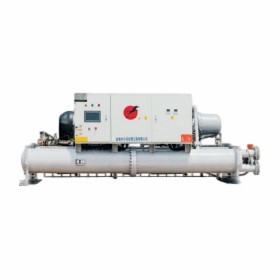
A surface heat exchanger is a heat exchange device that transfers heat through a solid surface. Its basic principle is that a high-temperature fluid passes through the surface of a solid material, exchanging heat with a low-temperature fluid, thus achieving heat transfer.
High Efficiency
Compared to traditional shell-and-tube heat exchangers, surface heat exchangers have a higher heat transfer coefficient, enabling more efficient use of the heat source and improving energy efficiency.
Easy Maintenance
Surface heat exchangers have a relatively simple structure, making them easy to maintain and clean, reducing maintenance costs and complexity.
Less Likely to Build Up
Because surface heat exchangers directly utilize the surface of a solid material for heat transfer, they are less prone to fouling, avoiding the fouling problem of shell-and-tube heat exchangers and reducing cleaning costs.