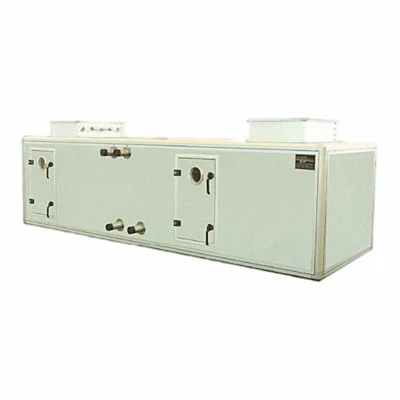

Hey there! I'm a supplier of refrigeration units, and I've been in this game for quite a while. One of the most common challenges we face is adapting refrigeration units to tropical climates. In this blog, I'll share some tips and tricks on how to make your refrigeration unit work effectively in a tropical environment.
Understanding the Tropical Climate
First things first, let's talk about what makes the tropical climate so challenging for refrigeration units. Tropical regions are known for their high temperatures and high humidity levels. These conditions can put a lot of stress on your refrigeration unit, making it work harder to maintain the desired temperature.
High temperatures mean that the refrigeration unit has to remove more heat from the environment. This requires more energy and can lead to increased wear and tear on the unit. High humidity, on the other hand, can cause condensation to form on the unit, which can lead to corrosion and other problems.
Choosing the Right Refrigeration Unit
The first step in adapting a refrigeration unit to a tropical climate is to choose the right unit for the job. There are several types of refrigeration units available, each with its own advantages and disadvantages.
- Portable Industrial Chiller Units: These units are great for small to medium-sized applications. They are easy to move around and can be used in a variety of settings. You can check out Portable Industrial Chiller Units for more information.
- Evaporative Cooled Chiller: Evaporative cooled chillers are a popular choice in tropical climates because they use less energy than traditional air-cooled chillers. They work by evaporating water to cool the refrigerant, which is then used to cool the air. You can learn more about Evaporative Cooled Chiller.
- Water Cooled Screw Type Chiller: Water cooled screw type chillers are a good option for large-scale applications. They are more efficient than air-cooled chillers and can handle higher loads. Check out Water Cooled Screw Type Chiller for more details.
Proper Installation and Maintenance
Once you've chosen the right refrigeration unit, it's important to install it properly. Make sure the unit is installed in a well-ventilated area away from direct sunlight and other heat sources. This will help the unit operate more efficiently and reduce the risk of overheating.
Regular maintenance is also crucial for keeping your refrigeration unit running smoothly in a tropical climate. This includes cleaning the condenser coils, checking the refrigerant levels, and inspecting the electrical components. By performing regular maintenance, you can extend the life of your unit and prevent costly breakdowns.
Using the Right Refrigerant
The type of refrigerant you use can also have a big impact on the performance of your refrigeration unit in a tropical climate. Some refrigerants are better suited for high-temperature environments than others.
For example, R-410A is a popular refrigerant that is known for its high efficiency and low environmental impact. It is also well-suited for use in tropical climates because it can handle high temperatures without losing its cooling capacity.
Optimizing the System Design
In addition to choosing the right unit and refrigerant, it's important to optimize the system design to ensure maximum efficiency. This includes sizing the unit correctly, designing the ductwork properly, and using the right controls.
Proper sizing is crucial to ensure that the unit can handle the load. If the unit is too small, it will have to work harder to maintain the desired temperature, which can lead to increased energy consumption and premature wear and tear. If the unit is too large, it will cycle on and off frequently, which can also lead to increased energy consumption and reduced efficiency.
The ductwork should be designed to minimize air leakage and ensure proper airflow. This will help the unit operate more efficiently and reduce the risk of hot spots and cold spots.
Using the right controls can also help optimize the performance of your refrigeration unit. For example, a programmable thermostat can be used to set the temperature and schedule the unit to turn on and off at specific times. This can help reduce energy consumption and save you money on your utility bills.
Monitoring and Adjusting the System
Finally, it's important to monitor the performance of your refrigeration unit regularly and make adjustments as needed. This includes checking the temperature and humidity levels, monitoring the energy consumption, and inspecting the unit for any signs of wear and tear.
If you notice any problems with the unit, such as a decrease in cooling capacity or an increase in energy consumption, it's important to address them as soon as possible. This may involve adjusting the settings, performing maintenance, or replacing a component.
Conclusion
Adapting a refrigeration unit to a tropical climate can be a challenge, but with the right approach, it's definitely doable. By choosing the right unit, installing it properly, using the right refrigerant, optimizing the system design, and monitoring and adjusting the system regularly, you can ensure that your refrigeration unit operates efficiently and effectively in a tropical environment.
If you're in the market for a refrigeration unit or need help adapting your existing unit to a tropical climate, don't hesitate to reach out. We're here to help you find the right solution for your needs.


References
- ASHRAE Handbook of Refrigeration.
- Refrigeration and Air Conditioning Technology by William C. Whitman, William M. Johnson, and John A. Tomczyk.