
In the realm of building ventilation systems, Metal Composite Air Ducts play a crucial role in ensuring proper air circulation. However, fire safety is a paramount concern that cannot be overlooked. As a Metal Composite Air Duct supplier, I understand the significance of enhancing the fire - safety of these ducts. In this blog, I will share some effective strategies to improve the fire - safety of Metal Composite Air Ducts.
Understanding the Fire Risks Associated with Metal Composite Air Ducts
Before delving into the improvement measures, it is essential to understand the fire risks associated with Metal Composite Air Ducts. Metal composite materials typically consist of a core material sandwiched between two metal sheets. The core material can vary, and some may have a relatively high flammability. When a fire occurs, the air ducts can act as a conduit for the spread of fire, heat, and smoke throughout the building.
The air within the ducts can carry flames and hot gases, allowing the fire to quickly reach other areas of the building. Additionally, the smoke produced by the fire can be transported through the ducts, reducing visibility and posing a significant threat to the occupants' health and safety.
Selecting Fire - Resistant Materials
One of the most fundamental steps in improving the fire - safety of Metal Composite Air Ducts is to select fire - resistant materials. When choosing the core material for the ducts, opt for those with a high fire - rating. For example, some core materials are made of mineral wool or fiberglass, which are known for their excellent fire - resistance properties. These materials can withstand high temperatures without igniting or releasing harmful gases.
The outer metal sheets also play a role in fire safety. They should be made of high - quality metals that can resist deformation and melting during a fire. Stainless steel is a popular choice due to its high melting point and corrosion resistance. By using fire - resistant materials, the overall fire - safety of the Metal Composite Air Ducts can be significantly enhanced.
Installing Fire Dampers
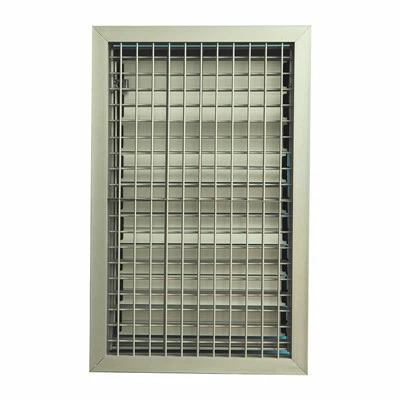
Fire dampers are essential components in improving the fire - safety of Metal Composite Air Ducts. These devices are designed to close automatically when a fire is detected, preventing the spread of fire, heat, and smoke through the ducts. There are different types of fire dampers available, such as Smoke Exhaust Fire Damper.
Smoke Exhaust Fire Dampers are specifically designed to operate in smoke - exhaust systems. They can close quickly in the event of a fire, ensuring that the smoke is not spread through the ventilation system. Manual Parallel Blade Dampers, such as Manual Parallel Blade Damper, can also be used in some cases. These dampers can be adjusted manually to control the airflow and can be closed during a fire to prevent the spread of fire and smoke.
When installing fire dampers, it is crucial to ensure that they are properly sized and installed according to the manufacturer's instructions. Regular maintenance and testing of the fire dampers are also necessary to ensure their proper functioning.
Proper Sealing and Insulation
Proper sealing and insulation of Metal Composite Air Ducts are also important for fire safety. Sealing the joints and connections of the ducts can prevent the leakage of air, fire, and smoke. Use high - temperature - resistant sealants that can withstand the heat generated during a fire.
Insulation can help to reduce the heat transfer through the ducts, preventing the fire from spreading quickly. Choose insulation materials with a high fire - rating, such as mineral wool or fiberglass insulation. The insulation should be installed properly to ensure that there are no gaps or voids that could allow the fire to penetrate.
Regular Inspection and Maintenance
Regular inspection and maintenance of Metal Composite Air Ducts are essential for ensuring their fire - safety. Inspect the ducts regularly for any signs of damage, such as cracks, holes, or loose connections. Check the fire dampers to ensure that they are functioning properly and can close automatically when needed.
Clean the ducts regularly to remove any dust, debris, or combustible materials that could increase the fire risk. A dirty duct can act as a fuel source for a fire, so keeping it clean is crucial. If any issues are found during the inspection, they should be repaired immediately to maintain the fire - safety of the ducts.


Training and Education
Training and education are also important aspects of improving the fire - safety of Metal Composite Air Ducts. Provide training to the building occupants and maintenance staff on the proper use and maintenance of the ventilation system. Teach them how to recognize the signs of a fire and how to respond in case of an emergency.
Educate the staff on the importance of fire safety and the role that Metal Composite Air Ducts play in it. By increasing the awareness and knowledge of the building occupants and staff, the overall fire - safety of the building can be improved.
Conclusion
Improving the fire - safety of Metal Composite Air Ducts is a multi - faceted approach that involves selecting fire - resistant materials, installing fire dampers, proper sealing and insulation, regular inspection and maintenance, and training and education. As a Metal Composite Air Duct supplier, I am committed to providing high - quality products and solutions to enhance the fire - safety of ventilation systems.
If you are in the market for Metal Composite Air Ducts and are concerned about fire safety, I encourage you to contact me for more information and to discuss your specific requirements. Our team of experts can help you choose the right products and provide you with the necessary support to ensure the fire - safety of your building.
References
- Building Fire Safety Codes and Standards.
- Manufacturer's Guidelines for Metal Composite Air Ducts and Fire Dampers.
- Research Papers on Fire Safety in Ventilation Systems.