
Hey there! I'm a supplier of Smoke Exhaust Fire Dampers, and today I want to chat about the installation requirements for these crucial devices in a commercial kitchen.
First off, let's understand why a Smoke Exhaust Fire Damper is so important in a commercial kitchen. Commercial kitchens are high - risk areas when it comes to fire. With all the cooking equipment, open flames, and grease, a fire can break out in an instant. A Smoke Exhaust Fire Damper is designed to prevent the spread of smoke and fire through the ventilation system. It closes automatically when it detects high temperatures, acting as a barrier and protecting other parts of the building from the fire and smoke.
Location and Placement
The location of the Smoke Exhaust Fire Damper is super important. It should be installed in the ductwork of the commercial kitchen's exhaust system. The damper needs to be placed close to the point where the exhaust duct penetrates a fire - rated wall or floor. This is because when a fire starts in the kitchen, the hot air and smoke will travel through the duct. By having the damper near the penetration point, it can quickly stop the fire and smoke from spreading to other areas of the building.
For example, if your kitchen is on the first floor and the exhaust duct goes through the ceiling to the roof, the damper should be installed right where the duct passes through the ceiling. This way, if a fire breaks out in the kitchen, the damper can close and prevent the fire from reaching the upper floors.
Duct Compatibility
The Smoke Exhaust Fire Damper must be compatible with the type of ductwork in the commercial kitchen. Most commercial kitchens use Galvanized Metal Duct. Galvanized metal ducts are durable and can withstand high temperatures, which is great in a kitchen environment. When choosing a damper, make sure it is designed to fit the size and shape of your galvanized metal duct.
The damper should also be able to seal tightly against the duct. A poor seal can allow smoke and fire to leak through, defeating the purpose of the damper. You need to measure the duct accurately before purchasing a damper to ensure a proper fit.
Fire Rating
The fire rating of the Smoke Exhaust Fire Damper is a key factor. In a commercial kitchen, you need a damper with a high fire rating. The fire rating indicates how long the damper can withstand fire and prevent the spread of smoke. For commercial kitchens, a damper with a fire rating of at least 2 - hours is recommended.
This means that in the event of a fire, the damper can remain closed and prevent the spread of fire and smoke for up to 2 hours. This gives firefighters more time to arrive and extinguish the fire, and it also protects the rest of the building from extensive damage.
Installation Clearance
When installing the Smoke Exhaust Fire Damper, you need to maintain proper clearance around it. There should be enough space for the damper to operate freely. Usually, a clearance of at least 6 inches around the damper is required. This allows for easy access during maintenance and ensures that the damper can close properly without any obstructions.
If there are other objects or equipment too close to the damper, it might prevent the damper from closing fully or cause it to malfunction. So, make sure to clear the area around the installation site before putting in the damper.
Electrical and Control Systems
Many Smoke Exhaust Fire Dampers are equipped with electrical and control systems. These systems are used to monitor the temperature and trigger the damper to close when a fire is detected. When installing the damper, you need to ensure that the electrical connections are made correctly.
The control system should be connected to a reliable power source. It's also a good idea to have a backup power supply in case of a power outage during a fire. The control system should be tested regularly to make sure it is working properly.
Maintenance and Inspection
After the installation of the Smoke Exhaust Fire Damper, regular maintenance and inspection are essential. You should inspect the damper at least once a year to check for any signs of damage or wear. The damper should be cleaned to remove any grease or debris that might accumulate over time.


Grease can affect the operation of the damper, so it's important to keep it clean. You should also test the damper's operation periodically to make sure it closes properly when triggered. If you notice any problems during the inspection, you should have the damper repaired or replaced immediately.
Compatibility with Other Ventilation Components
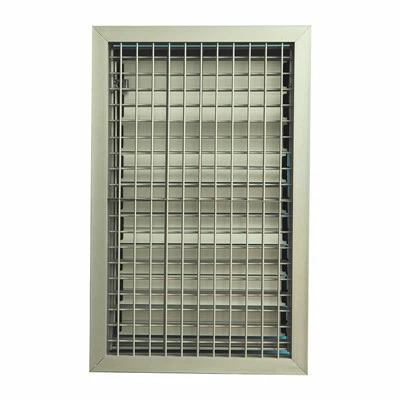
The Smoke Exhaust Fire Damper needs to be compatible with other ventilation components in the commercial kitchen. For example, it should work well with the Grille Double Deflection. The grille is used to direct the airflow in and out of the kitchen. The damper and the grille should be able to work together to ensure proper ventilation and fire protection.
If the damper and the grille are not compatible, it can lead to problems such as poor airflow or ineffective fire protection. So, when choosing a damper, consider how it will interact with the other components in your ventilation system.
Compliance with Local Codes
It's crucial to ensure that the installation of the Smoke Exhaust Fire Damper complies with local building codes and regulations. Different areas may have different requirements for fire protection in commercial kitchens. You need to check with your local building department to find out what the specific codes are.
Non - compliance can result in fines and may also put your building at risk. So, make sure to follow all the local codes when installing the damper.
Training for Staff
Once the Smoke Exhaust Fire Damper is installed, it's important to train your kitchen staff on its operation and importance. The staff should know what to do in case of a fire and how the damper works. They should also be aware of the maintenance requirements and the importance of keeping the area around the damper clear.
Training can help ensure that the damper is used effectively in an emergency and that it is properly maintained over time.
Why Choose Our Smoke Exhaust Fire Dampers
As a supplier, we offer high - quality Fire Resistant Smoke Damper. Our dampers are designed to meet the highest standards of fire protection. They are made from durable materials and are tested to ensure reliable performance.
We also provide installation support and guidance to make sure that your damper is installed correctly. Our team of experts can help you with all the installation requirements, from choosing the right damper to making sure it complies with local codes.
If you're in the market for a Smoke Exhaust Fire Damper for your commercial kitchen, we'd love to have a chat with you. We can provide you with more information about our products and help you find the best solution for your needs. Whether you're just starting to plan your kitchen ventilation system or you need to replace an existing damper, we're here to assist you.
So, don't hesitate to reach out and start a conversation about your Smoke Exhaust Fire Damper requirements. We're confident that we can provide you with a product that will keep your commercial kitchen safe and compliant.
References
- National Fire Protection Association (NFPA) standards for commercial kitchen fire protection.
- Local building codes and regulations regarding fire dampers in commercial kitchens.