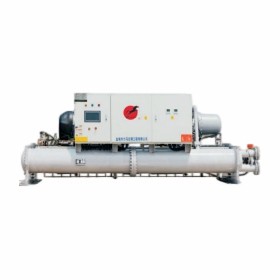

Dust filtration is a critical process in various industrial and environmental applications. As a supplier of Dust Filtration Units, I've witnessed firsthand the importance of understanding how the chemical composition of dust can impact the performance and efficiency of these units. In this blog, I'll delve into the details of this relationship and explore its implications for our products.
The Basics of Dust Filtration Units
Before we discuss the impact of dust chemical composition, let's briefly review what a Dust Filtration Unit is. A Dust Filtration Unit is a device designed to remove dust particles from a gas stream. These units are used in a wide range of industries, including manufacturing, mining, and power generation, to protect equipment, improve air quality, and comply with environmental regulations.
There are several types of dust filtration units, including bag filters, cartridge filters, and electrostatic precipitators. Each type has its own advantages and disadvantages, but they all operate on the same basic principle: the dust particles are separated from the gas stream by passing through a filter medium.
The Role of Dust Chemical Composition
The chemical composition of dust can have a significant impact on the performance of a dust filtration unit. Different types of dust have different physical and chemical properties, which can affect how they interact with the filter medium and the overall efficiency of the filtration process.


Particle Size and Shape
One of the most important factors is the particle size and shape. Dust particles can range in size from a few nanometers to several millimeters, and their shape can vary from spherical to irregular. Smaller particles are more difficult to capture than larger ones, and irregularly shaped particles can be more challenging to filter due to their tendency to get stuck in the filter medium.
Chemical Reactivity
The chemical reactivity of dust can also play a role. Some dusts, such as those containing acidic or alkaline compounds, can react with the filter medium and cause it to degrade over time. This can lead to a decrease in filtration efficiency and an increase in the frequency of filter replacement.
Moisture Content
Moisture content is another important consideration. Dust with a high moisture content can be more difficult to filter because it tends to clump together and form larger particles. This can cause the filter to become clogged more quickly and reduce its effectiveness.
Impact on Filtration Efficiency
The chemical composition of dust can have a direct impact on the filtration efficiency of a dust filtration unit. For example, dust with a high concentration of fine particles can reduce the efficiency of a filter by clogging the pores and preventing the gas from passing through. This can lead to an increase in pressure drop across the filter, which can reduce the flow rate of the gas and increase the energy consumption of the system.
On the other hand, dust with a high concentration of larger particles can cause the filter to wear out more quickly. These particles can abrade the filter medium and cause it to develop holes or tears, which can allow dust to pass through and reduce the overall filtration efficiency.
Impact on Filter Lifespan
In addition to affecting the filtration efficiency, the chemical composition of dust can also impact the lifespan of the filter. As mentioned earlier, dust with a high chemical reactivity can cause the filter medium to degrade over time, which can reduce its lifespan. Similarly, dust with a high moisture content can cause the filter to become clogged more quickly, which can also shorten its lifespan.
To extend the lifespan of the filter, it's important to choose a filter medium that is resistant to the chemical and physical properties of the dust. For example, if the dust contains acidic compounds, a filter medium made of a material that is resistant to acids, such as polypropylene or PTFE, may be a good choice.
Impact on Maintenance Requirements
The chemical composition of dust can also affect the maintenance requirements of a dust filtration unit. Dust with a high concentration of sticky or oily particles can cause the filter to become fouled more quickly, which can require more frequent cleaning or replacement. Similarly, dust with a high chemical reactivity can cause the filter to corrode or degrade, which can also increase the maintenance requirements.
To reduce the maintenance requirements of the dust filtration unit, it's important to choose a filter medium that is easy to clean and maintain. For example, some filter media are designed to be self-cleaning, which can reduce the need for manual cleaning.
Our Solutions
As a supplier of Dust Filtration Units, we understand the importance of considering the chemical composition of dust when designing and selecting a filtration system. That's why we offer a range of products that are designed to handle different types of dust and meet the specific needs of our customers.
One of our most popular products is the Self-Operated Dust Filter Unit. This unit is designed to be self-cleaning, which means it can automatically remove dust from the filter medium without the need for manual intervention. This can reduce the maintenance requirements of the system and improve its overall efficiency.
We also offer a Self-Cleaning Desert Sand Filtration System, which is specifically designed to handle the unique challenges of filtering desert sand. This system uses a combination of advanced filtration technologies and self-cleaning mechanisms to ensure that the filter medium remains clean and efficient even in harsh desert environments.
Conclusion
In conclusion, the chemical composition of dust can have a significant impact on the performance, efficiency, and lifespan of a Dust Filtration Unit. By understanding the physical and chemical properties of the dust, we can choose the right filter medium and design a filtration system that is optimized for the specific application.
If you're in the market for a Dust Filtration Unit, we encourage you to contact us to discuss your needs. Our team of experts can help you select the right product and provide you with the support and guidance you need to ensure that your filtration system operates effectively and efficiently.
References
- Brown, R. C. (2017). Air Pollution Control: A Design Approach. CRC Press.
- Hinds, W. C. (1999). Aerosol Technology: Properties, Behavior, and Measurement of Airborne Particles. Wiley.
- Perry, R. H., & Green, D. W. (2007). Perry's Chemical Engineers' Handbook. McGraw-Hill.