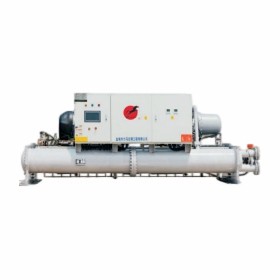

What is the impact of refrigerant type on the performance of a water cooled screw type chiller?
As a supplier of Water Cooled Screw Type Chiller, I've witnessed firsthand the significant influence that refrigerant type can have on the performance of these essential cooling systems. In this blog, I'll delve into the various aspects of how different refrigerants affect the operation, efficiency, and overall performance of water cooled screw type chillers.
Refrigerant Basics
Refrigerants are the lifeblood of any chiller system. They are responsible for absorbing heat from the process or space being cooled and releasing it to the environment. The choice of refrigerant can impact several key performance indicators of a water cooled screw type chiller, including cooling capacity, energy efficiency, and environmental impact.
Cooling Capacity
One of the primary factors affected by the refrigerant type is the cooling capacity of the chiller. Different refrigerants have different thermodynamic properties, such as latent heat of vaporization and specific heat. These properties determine how much heat a refrigerant can absorb and release during the refrigeration cycle.
For example, refrigerants with a high latent heat of vaporization can absorb more heat per unit mass, resulting in a higher cooling capacity. This means that a chiller using a refrigerant with a high latent heat can cool a larger space or process more effectively. On the other hand, refrigerants with a lower latent heat may require a larger volume of refrigerant to achieve the same cooling capacity, which can increase the size and cost of the chiller.
Energy Efficiency
Energy efficiency is another crucial aspect of chiller performance. The refrigerant type can significantly impact the energy consumption of a water cooled screw type chiller. Refrigerants with a high coefficient of performance (COP) are more energy-efficient because they can transfer more heat per unit of energy input.
Modern refrigerants, such as R-134a and R-410A, are designed to have high COPs, which means they can provide the same cooling capacity with less energy consumption compared to older refrigerants. This not only reduces operating costs but also helps to minimize the environmental impact of the chiller by reducing greenhouse gas emissions.
In addition to the COP, the refrigerant type can also affect the efficiency of the compressor. Compressors are the heart of the chiller system, and their efficiency is critical to the overall performance of the chiller. Some refrigerants require higher compression ratios, which can increase the energy consumption of the compressor. Other refrigerants may have better lubricating properties, which can reduce friction and wear in the compressor, leading to improved efficiency and reliability.
Environmental Impact
The environmental impact of refrigerants is a growing concern in the HVAC industry. Many older refrigerants, such as R-22, have a high ozone depletion potential (ODP) and a high global warming potential (GWP). These refrigerants are being phased out under international agreements, such as the Montreal Protocol and the Kigali Amendment, to protect the ozone layer and mitigate climate change.
As a responsible supplier, we offer water cooled screw type chillers that use environmentally friendly refrigerants with low ODP and GWP. These refrigerants, such as R-134a and R-410A, have a minimal impact on the environment and are compliant with current regulations. By choosing a chiller with an environmentally friendly refrigerant, you can not only reduce your carbon footprint but also future-proof your investment.
Compatibility with Chiller Components
The refrigerant type must also be compatible with the various components of the water cooled screw type chiller, including the compressor, condenser, evaporator, and expansion valve. Different refrigerants have different chemical properties, and some may react with certain materials used in the chiller components.
For example, some refrigerants may cause corrosion or degradation of the compressor lubricant, which can lead to premature failure of the compressor. Other refrigerants may require different types of gaskets, seals, and valves to ensure proper operation and prevent leaks. It is essential to choose a refrigerant that is compatible with the chiller components to ensure reliable and efficient operation.
Impact on Maintenance and Service
The choice of refrigerant can also have an impact on the maintenance and service requirements of the water cooled screw type chiller. Some refrigerants may require more frequent maintenance, such as oil changes and filter replacements, to ensure optimal performance. Other refrigerants may be more difficult to handle and require specialized equipment and training for service and repair.
In addition, the availability and cost of the refrigerant can also affect the maintenance and service of the chiller. As older refrigerants are phased out, their availability may become limited, and the cost may increase. This can make it more challenging and expensive to maintain and service chillers that use these refrigerants.
Conclusion
In conclusion, the refrigerant type has a significant impact on the performance of a water cooled screw type chiller. It affects the cooling capacity, energy efficiency, environmental impact, compatibility with chiller components, and maintenance and service requirements. As a supplier, we understand the importance of choosing the right refrigerant for your specific application and requirements.
We offer a wide range of water cooled screw type chillers that use environmentally friendly refrigerants with high energy efficiency and performance. Our chillers are designed to meet the needs of various industries, including manufacturing, data centers, hospitals, and commercial buildings. Whether you need a Portable Industrial Chiller Units for a small application or an Evaporative Cooled Chiller for a large-scale project, we have the solution for you.


If you are interested in learning more about our water cooled screw type chillers or have any questions about refrigerant selection, please contact us. Our team of experts will be happy to assist you in choosing the right chiller for your needs and provide you with a competitive quote.
References
- ASHRAE Handbook - Refrigeration. American Society of Heating, Refrigerating and Air-Conditioning Engineers.
- International Institute of Refrigeration (IIR). "Refrigerants and the Environment."
- U.S. Environmental Protection Agency (EPA). "Refrigerants: Ozone Depletion and Global Warming."