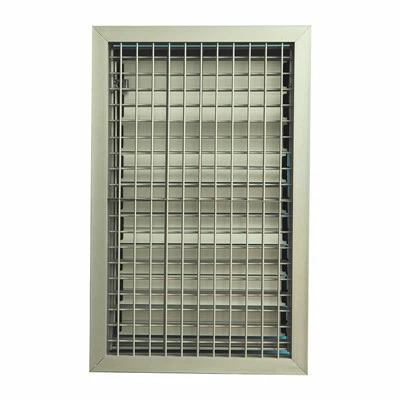

As a supplier of Smoke Exhaust Fire Dampers, I am often asked about the airflow capacity of these crucial components in ventilation and fire safety systems. Understanding the airflow capacity of a Smoke Exhaust Fire Damper is essential for ensuring the effective operation of a building's ventilation system, especially during a fire emergency. In this blog post, I will delve into the factors that influence the airflow capacity of a Smoke Exhaust Fire Damper, how it is measured, and why it matters in the context of fire safety.
Factors Affecting Airflow Capacity
The airflow capacity of a Smoke Exhaust Fire Damper is influenced by several key factors. These factors determine how much air can pass through the damper under normal and emergency conditions.
Damper Size
The physical size of the damper is one of the most significant factors affecting its airflow capacity. Larger dampers generally have a higher airflow capacity than smaller ones. This is because a larger damper provides a greater cross - sectional area for air to flow through. For example, a damper with a larger diameter or width and height dimensions will allow more air to pass through it compared to a smaller damper. When selecting a Smoke Exhaust Fire Damper, it is crucial to choose the appropriate size based on the requirements of the ventilation system.
Blade Design
The design of the damper blades also plays a vital role in determining the airflow capacity. Different blade designs offer varying levels of resistance to airflow. For instance, a damper with parallel blades may have a different airflow characteristic compared to a damper with opposed blades. Parallel blade dampers are often used when a high airflow capacity is required, as they provide less resistance to the flow of air. On the other hand, opposed blade dampers can provide more precise control over the airflow but may have a slightly lower airflow capacity. You can learn more about Manual Parallel Blade Damper on our website.
Damper Construction Material
The material used in the construction of the damper can affect its airflow capacity. Materials with a smooth surface finish generally offer less resistance to airflow compared to materials with a rough surface. For example, a damper made of stainless steel may have a higher airflow capacity than a damper made of a material with a more porous or uneven surface. Additionally, the thickness and strength of the material can also influence the damper's performance. A damper made of a thinner material may be more flexible and allow for a greater range of blade movement, which can impact the airflow capacity.
Pressure Differential
The pressure differential across the damper is another important factor. Airflow through a damper is driven by the difference in pressure between the two sides of the damper. A higher pressure differential will result in a higher airflow rate, provided that the damper is designed to handle the pressure. In a fire emergency, the pressure differential can change significantly, and the damper must be able to maintain an appropriate airflow capacity under these changing conditions.
Measuring Airflow Capacity
The airflow capacity of a Smoke Exhaust Fire Damper is typically measured in cubic feet per minute (CFM) or cubic meters per hour (m³/h). To measure the airflow capacity, a test is conducted in a laboratory setting using a standardized test setup.
Laboratory Testing
In a laboratory, the damper is installed in a test duct, and a fan is used to create a specific pressure differential across the damper. The airflow rate is then measured using flow measurement devices such as anemometers or pitot tubes. The test is conducted at different pressure differentials to determine the damper's performance curve, which shows the relationship between the pressure differential and the airflow rate.
Standards and Certifications
There are several standards and certifications that govern the testing and performance of Smoke Exhaust Fire Dampers. For example, in the United States, the Underwriters Laboratories (UL) has established standards for fire dampers, including requirements for airflow capacity testing. Dampers that meet these standards are often labeled with a UL listing, which indicates that they have been tested and meet the specified performance criteria.
Importance of Airflow Capacity in Fire Safety
The airflow capacity of a Smoke Exhaust Fire Damper is of utmost importance in fire safety. During a fire, the damper is designed to open and allow smoke to be exhausted from the building. If the airflow capacity of the damper is insufficient, smoke may not be effectively removed from the building, which can lead to a buildup of toxic gases and reduced visibility, increasing the risk to occupants.


Smoke Exhaust
A Smoke Exhaust Fire Damper with an adequate airflow capacity can quickly and efficiently remove smoke from the affected areas of the building. This helps to maintain a clear path for evacuation and reduces the exposure of occupants to harmful smoke and gases.
Fire Containment
In addition to smoke exhaust, the damper also plays a role in fire containment. By maintaining an appropriate airflow capacity, the damper can help to prevent the spread of fire and smoke through the ventilation system. A well - designed damper with the right airflow capacity can act as a barrier, limiting the movement of fire and smoke to other parts of the building.
Other Related Products
In addition to Smoke Exhaust Fire Dampers, we also offer a range of other ventilation products that can complement the performance of the dampers. For example, Double Deflection Supply Air Grille can be used to distribute air evenly throughout the building. These grilles are designed to provide a high level of airflow control and can be adjusted to direct the air in different directions.
We also offer Fire Resistant Smoke Damper, which are specifically designed to withstand high temperatures and prevent the spread of fire and smoke. These dampers are an important part of a comprehensive fire safety system and can be used in conjunction with Smoke Exhaust Fire Dampers to enhance the overall performance of the ventilation system.
Conclusion
In conclusion, the airflow capacity of a Smoke Exhaust Fire Damper is a critical factor in the effective operation of a building's ventilation and fire safety system. By understanding the factors that influence the airflow capacity, how it is measured, and its importance in fire safety, building owners and designers can make informed decisions when selecting and installing these dampers.
If you are in the market for Smoke Exhaust Fire Dampers or other ventilation products, I encourage you to contact us for more information. Our team of experts can help you select the right products for your specific needs and ensure that they are installed and maintained properly. We are committed to providing high - quality products and excellent customer service to help you create a safe and comfortable environment in your building.
References
- NFPA 90A: Standard for the Installation of Air - Conditioning and Ventilating Systems
- UL 555: Standard for Fire Dampers
- ASHRAE Handbook: Fundamentals