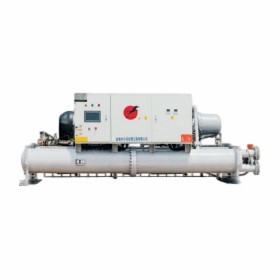

Hey there! As a supplier of Evaporative Cooled Chillers, I often get asked about the shutdown procedure for these nifty machines. So, I thought I'd put together this blog post to walk you through it step by step.
First off, let's talk a bit about what an Evaporative Cooled Chiller is. It's a type of refrigeration system that uses evaporation to cool the refrigerant. This makes it more energy - efficient compared to some other types of chillers. You can learn more about it here: Evaporative Cooled Chiller.
Why is a proper shutdown procedure important?
A proper shutdown procedure is crucial for several reasons. It helps to prevent damage to the chiller components, extends the lifespan of the equipment, and ensures that when you start it up again, everything runs smoothly. It's like putting your car in park and turning off the engine properly instead of just yanking out the keys.
Step 1: Notify the relevant personnel
Before you start shutting down the chiller, it's important to let everyone who uses or is affected by the chiller know. This could be the operators in the facility, maintenance staff, or even other departments that rely on the cooling provided by the chiller. You don't want to catch anyone off - guard and disrupt their work.
Step 2: Stop the load
The first thing you need to do is stop the load on the chiller. This means turning off any equipment or processes that are being cooled by the chiller. For example, if it's cooling a manufacturing process, stop the machinery. This reduces the demand on the chiller and makes the shutdown process safer.
Step 3: Turn off the compressor
The compressor is the heart of the chiller. Once the load is stopped, you can turn off the compressor. This usually involves flipping a switch on the control panel. Make sure to follow the manufacturer's instructions here, as different models may have slightly different procedures.


Step 4: Stop the water flow
Evaporative Cooled Chillers use water for the cooling process. After the compressor is off, you need to stop the water flow. This can be done by closing the water valves. It's important to do this carefully to avoid any water hammer or other issues that could damage the pipes or the chiller itself.
Step 5: Turn off the fans
The fans in the chiller are responsible for moving air over the coils to facilitate the evaporation process. Once the compressor and water flow are stopped, turn off the fans. This helps to save energy and also prevents any unnecessary wear and tear on the fan motors.
Step 6: Check the refrigerant levels
Before completely shutting down the chiller, it's a good idea to check the refrigerant levels. You can use the gauges on the chiller to do this. If the refrigerant levels are low, it could indicate a leak, and you'll need to address that before starting the chiller up again.
Step 7: Perform a final inspection
Take a few minutes to do a final inspection of the chiller. Look for any signs of damage, leaks, or loose connections. This can help you catch any potential problems early on and prevent them from becoming major issues.
Step 8: Document the shutdown
It's always a good practice to document the shutdown process. Note down the time, date, and any observations you made during the shutdown. This can be useful for future reference, especially if there are any problems when you start the chiller up again.
Comparison with other types of chillers
It's interesting to compare the shutdown procedure of an Evaporative Cooled Chiller with other types of chillers. For example, Water Cooled Screw Type Chiller has a different set of steps. Water - cooled chillers rely on a separate cooling tower, so the shutdown process involves shutting down the tower as well.
Portable Industrial Chiller Units, like the ones you can find here: Portable Industrial Chiller Units, also have their own unique shutdown procedures. Since they are more mobile, you may need to consider additional factors like securing the unit and draining any remaining water.
Common mistakes to avoid
- Rushing the process: Don't try to shut down the chiller too quickly. Take your time to follow each step carefully.
- Not following the manufacturer's instructions: Every chiller is different, so make sure you read and follow the manufacturer's manual.
- Forgetting to document: As I mentioned earlier, documenting the shutdown is important. Don't skip this step.
Benefits of a proper shutdown
- Cost savings: By preventing damage to the chiller, you can avoid costly repairs and replacements.
- Energy efficiency: A proper shutdown helps to save energy, which can lead to lower utility bills.
- Longer lifespan: Taking care of your chiller during shutdown means it will last longer and perform better over time.
If you're in the market for an Evaporative Cooled Chiller or any other type of refrigeration unit, we're here to help. We have a wide range of high - quality chillers that can meet your specific needs. Whether you're a small business or a large industrial facility, we've got you covered.
If you're interested in learning more or want to discuss your requirements, don't hesitate to reach out. We'd love to have a chat with you and see how we can assist you in finding the perfect chiller for your operation.
References
- Manufacturer's manuals for Evaporative Cooled Chillers
- Industry standards for chiller shutdown procedures